
A Green Twist To Paddy Cultivation
Reclaiming Alkaline Soils Through Green Manure
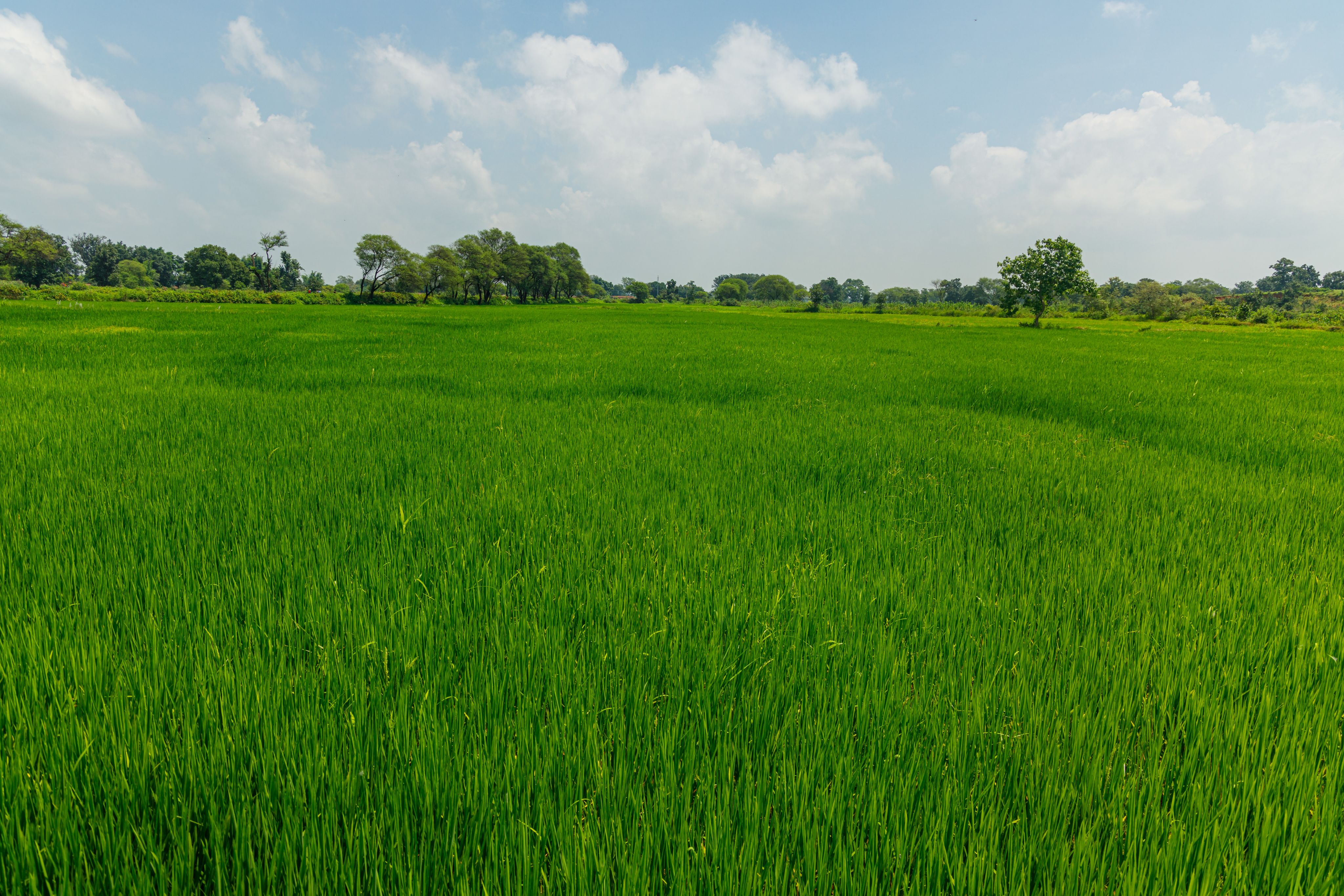

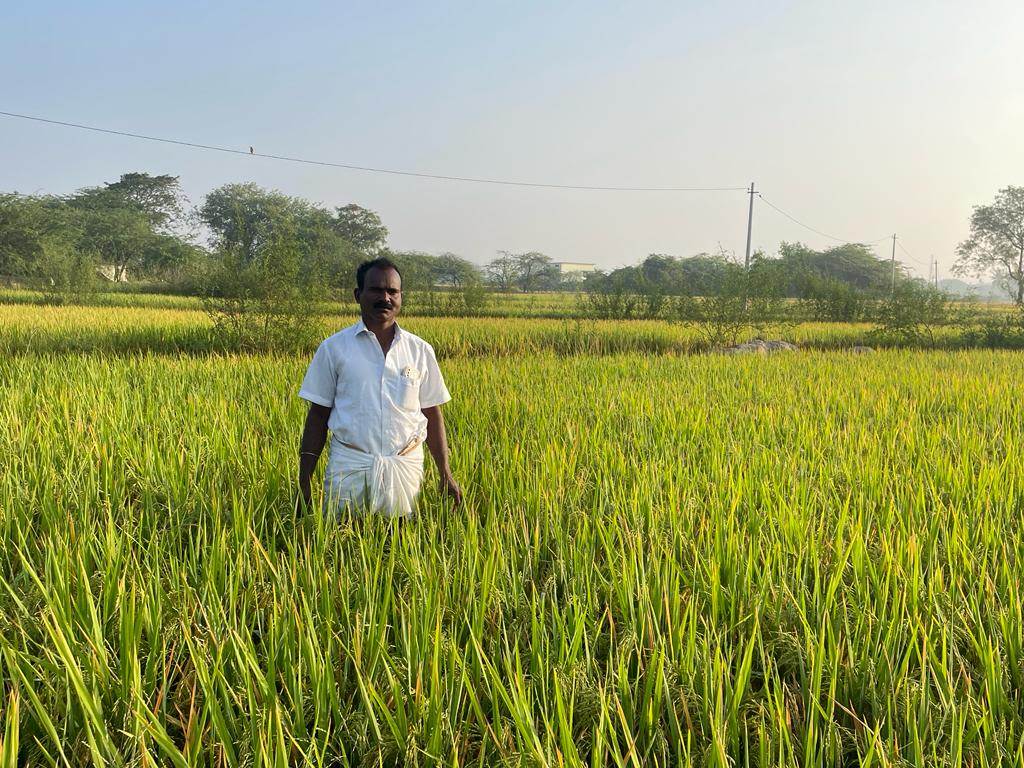
Kavili Bal Reddy, a farmer from Appireddipally in Narayanpet mandal owns 7.5 acres of land on which he has been growing paddy in both Kharif and Rabi season for decades. Excessive use of chemical fertilisers combined with mono-cropping practices over the years had started affecting the fertility of Reddy’s land and his crops’ yields.

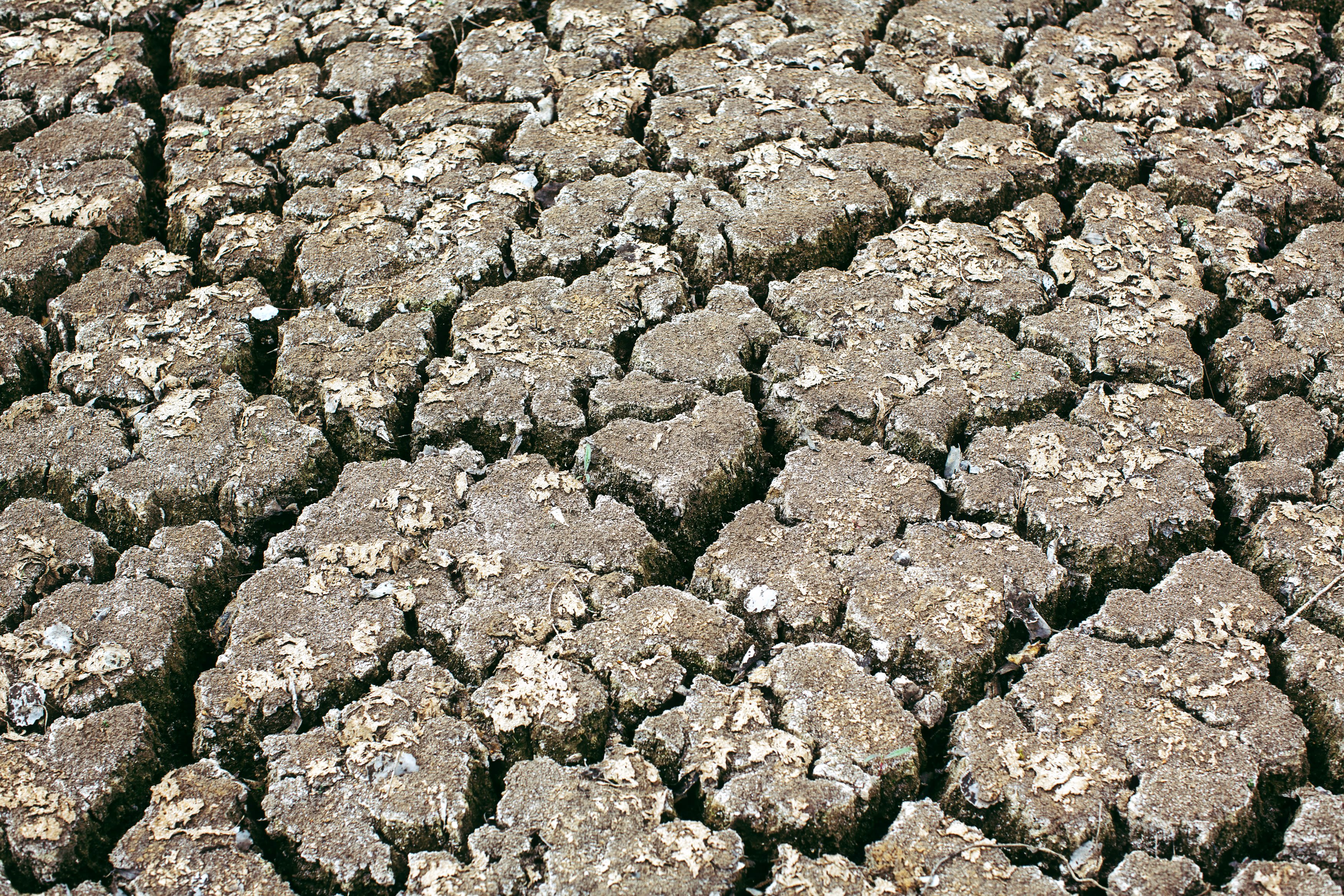
Photo by Markus Spiske on Unsplash
Photo by Markus Spiske on Unsplash
“I got soil testing done and I was told that the soil had turned alkaline. To make it better, I started using higher doses of zinc and DAP(di-ammonium phosphate) , but no result,” he says. His income was stagnating, and yields plateaued.
That’s when Reddy decided to do something different.
As part of the Farmer Field School (FFS) organised by WOTR under the Axis Bank Foundation’s Sustainable Livelihoods Programme, Reddy learnt about the concept of cultivating Green Manure Crops (GMCs).

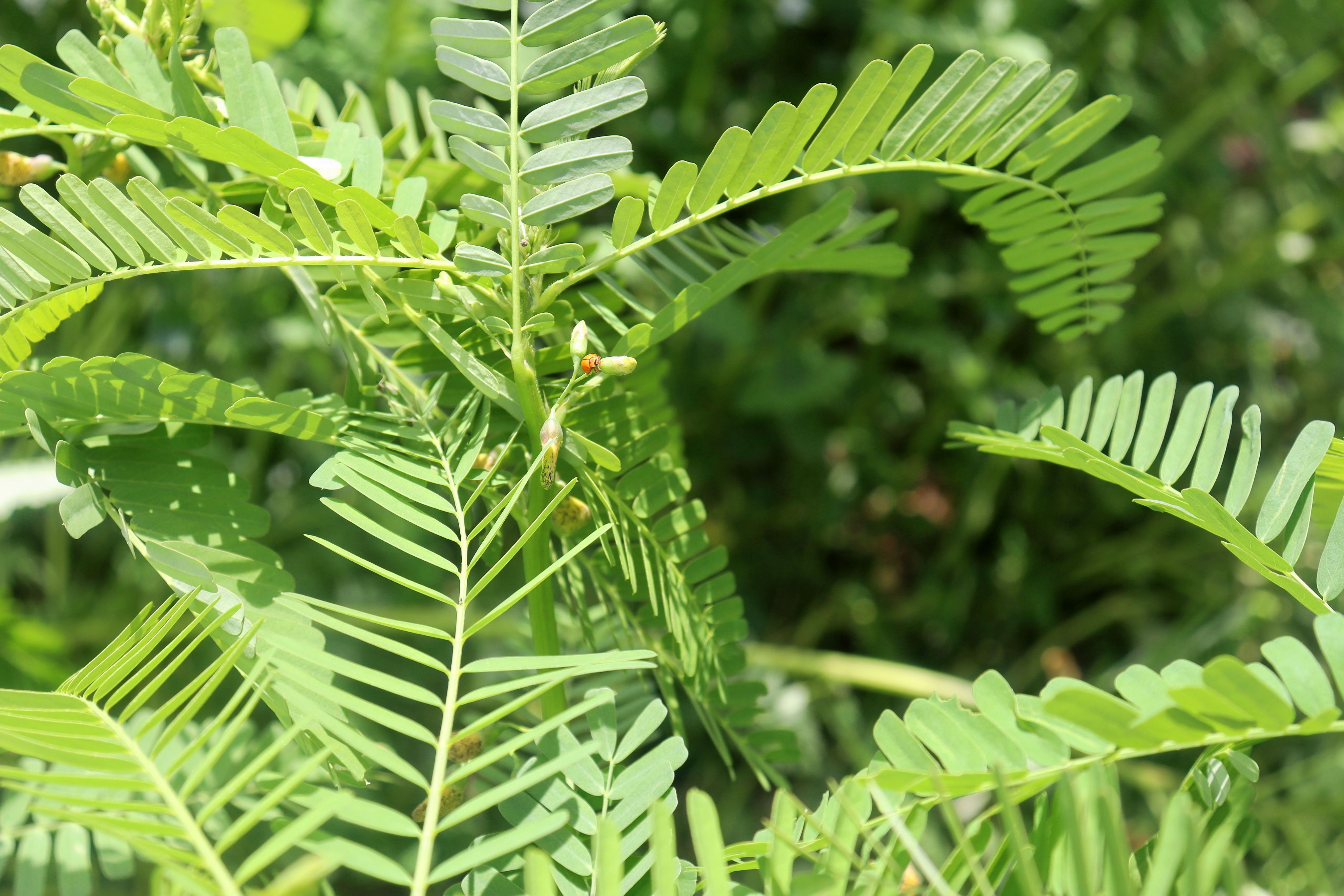
GMCs are fertility-building crops grown for the benefit of the soil. Experts say they help enhance the organic matter in the soil, meet deficiency of the micronutrients in it and serve as excellent cover crops on account of their fast growth, and capability to fix atmospheric nitrogen. Planting GMCs on arable land has been proven to hold great potential in reducing synthetic fertiliser use without sacrificing crop yields.


Planting GMCs on arable land has been proven to hold great potential in reducing synthetic fertiliser use
Planting GMCs on arable land has been proven to hold great potential in reducing synthetic fertiliser use
He started cultivating Dhaincha, a legume that is an effective green manure crop, on a portion of his farm in 2020. “I decided to experiment on 2 acres of land to begin with. As I was told in the farmer field school, I incorporated the dhaincha crop after flowering, into my soil by puddling and thereafter grew paddy on the same soil under the SRI method of cultivation,” he says.
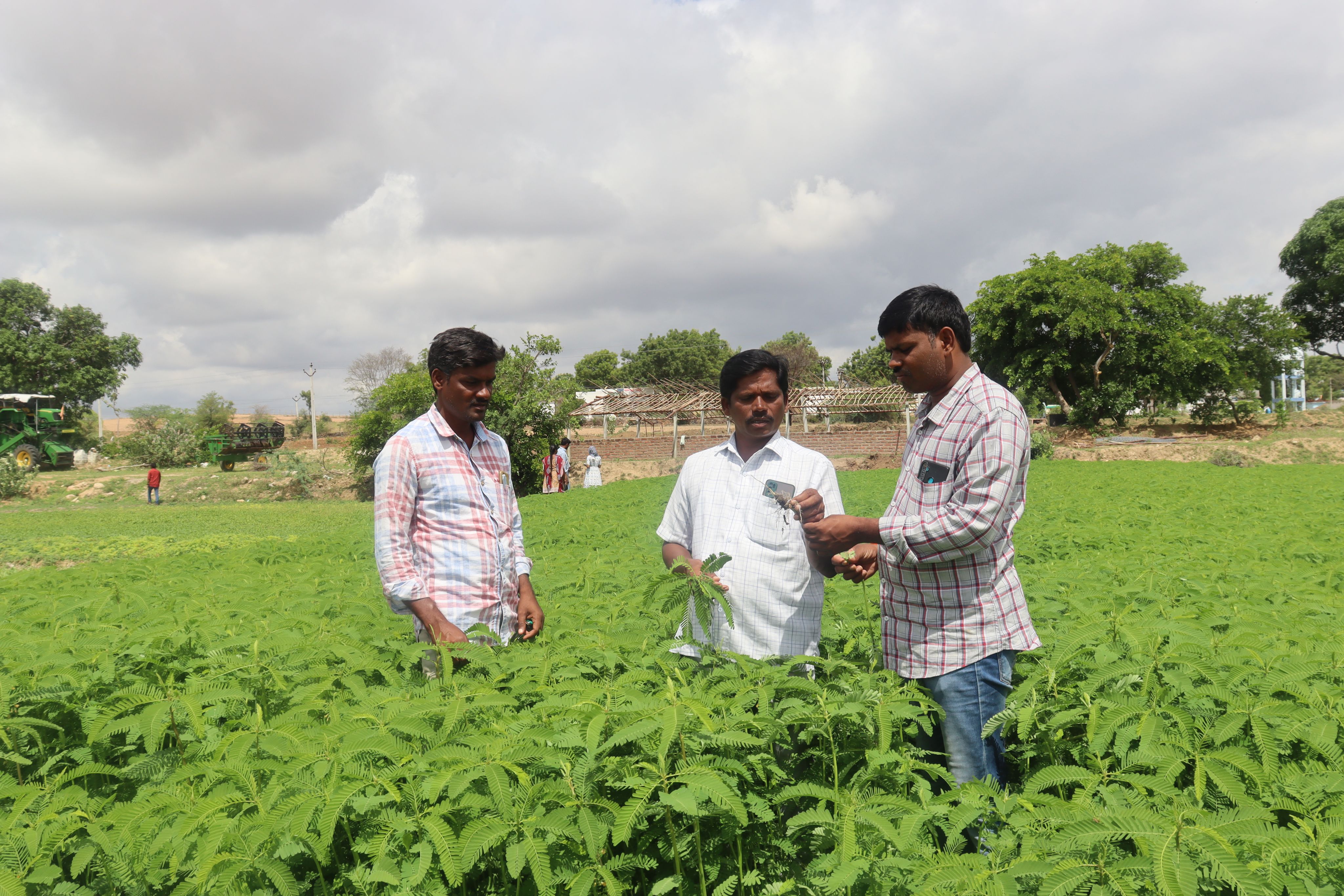
Kavili (middle) showing fellow farmers his Dhaincha plant
Kavili (middle) showing fellow farmers his Dhaincha plant
The Dhaincha plant has pods and roots with nodules that contain nitrogen-fixing bacteria, and has the ability to work wonders once mixed with soil. The pods and roots draw nitrogen from the atmosphere and are effective in rejuvenating soils with low nitrogen conditions adding substantially to the yield of the next crop. “It helps return to the soil many more nutrients than are taken away from it during farming,” Reddy says.
That year, unseasonal rainfall in Appireddypalli at the time of crop maturation led to Reddy losing 40 percent of his standing crop in a day’s time. “Despite the crop loss, my paddy yield was higher than previous years,” he says.
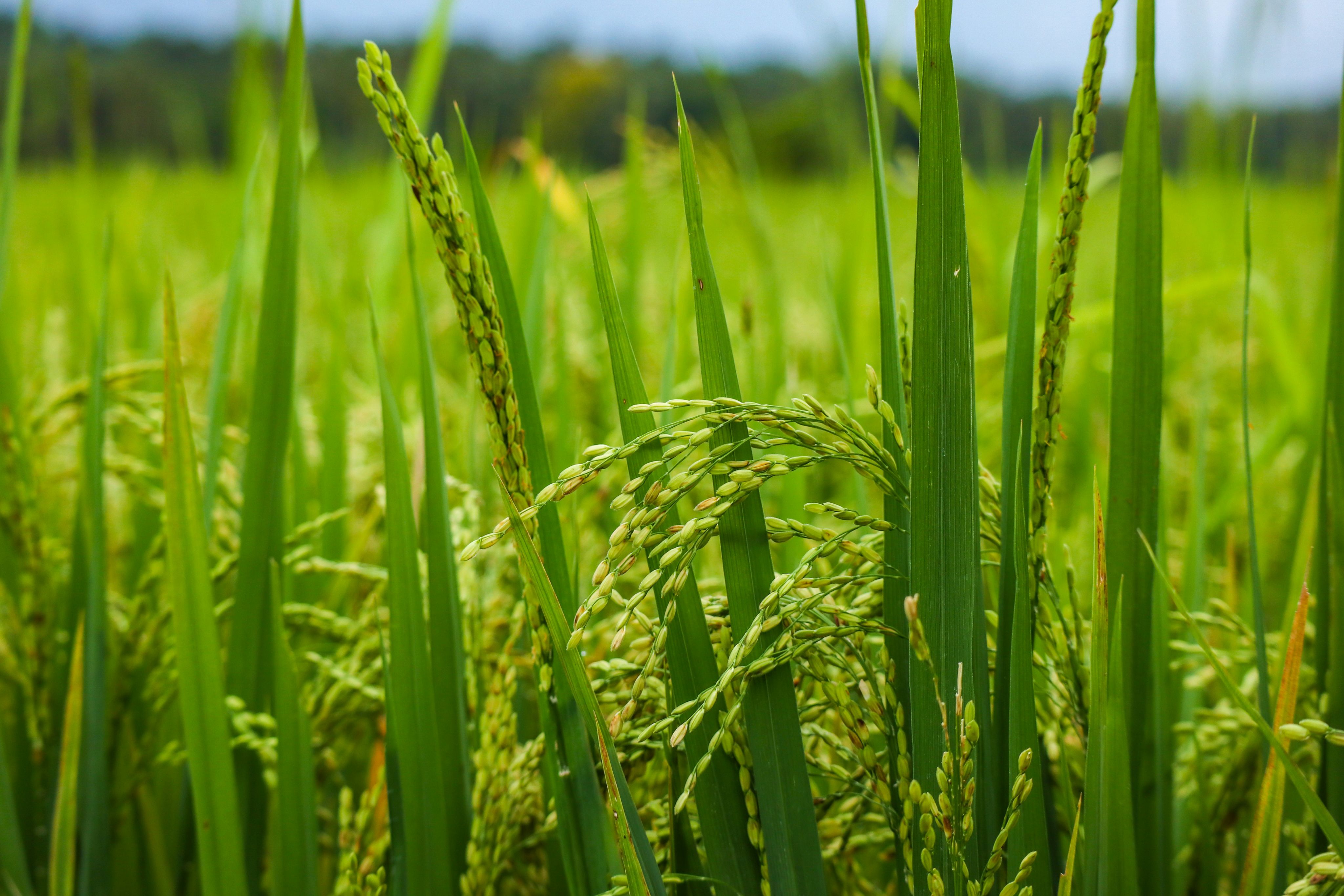
He harvested 1.5 quintals of rice that year, a 27 percent increase over his yield from previous years. Not just this, reduced application of chemical fertilisers also reduced Reddy’s input costs, saving him a total of Rs 7000 per acre.
Jubilant at the results, Bal Reddy continues to grow green manure crops in his field. “I can see the change in how my soil looks. The colour, texture, and nature of the soil has changed,” he says.
He now undertakes green manure cultivation on his entire 7.5 acre field, and swears by the economic profitability and environmental friendliness of undertaking it. “Over the course of the last two-three years, my yield has almost doubled. My soil has got a new lease of life. I couldn’t be happier ,” he says.
To invest with WOTR for its initiatives to mobilise communities and revive natural ecosystems, write to Madhavi Kadrekar at info@wotr.org.


 Built with Shorthand