
Backyard Poultry Farming
Gives Women’s Aspirations Financial Flight
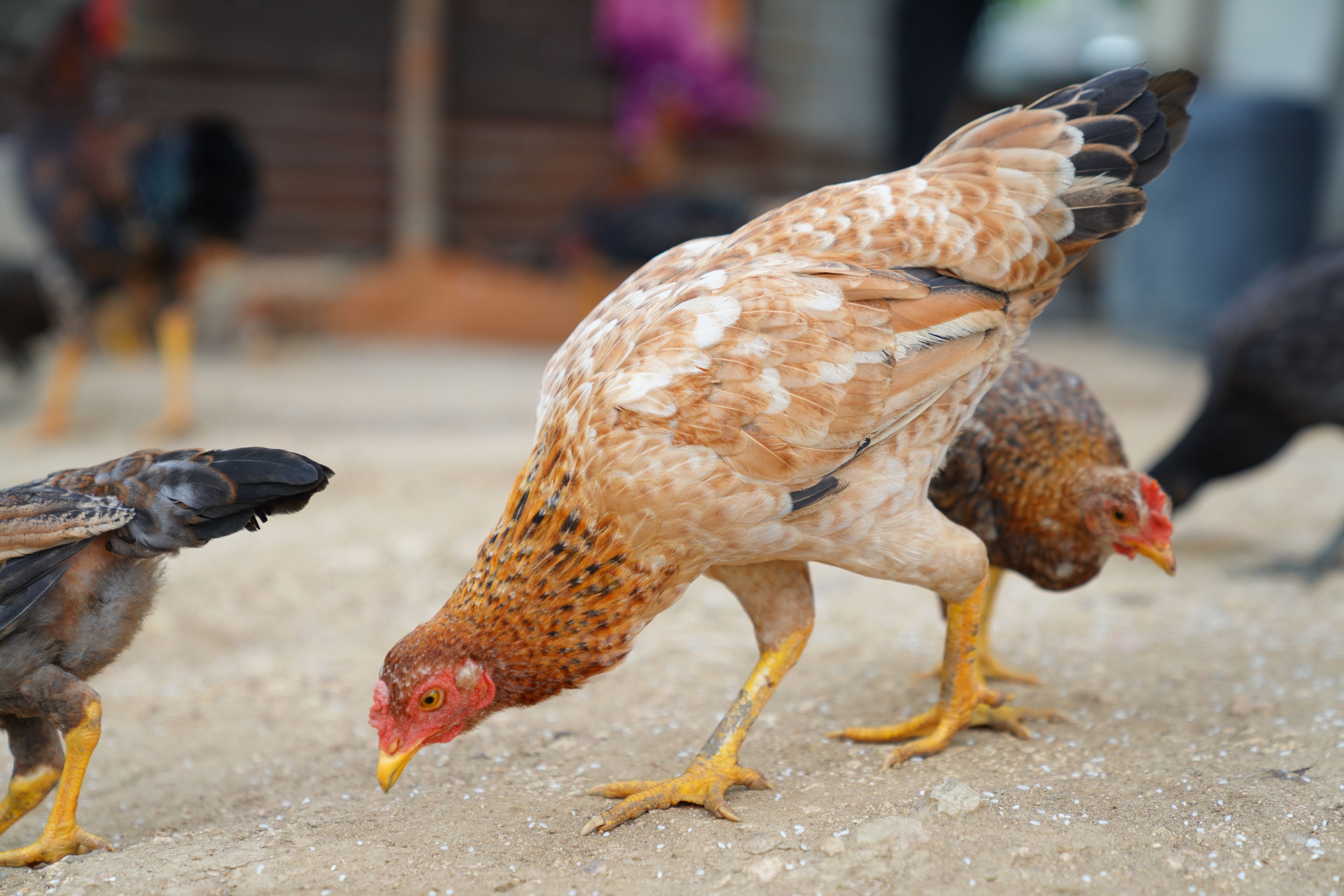


A large majority of the families in Narayanpet, Telangana are either wage labourers or small and marginal farmers who own less than 1Ha. of land. They have meagre incomes, limited access to resources, and no additional skill or financial support available to generate an alternate income.

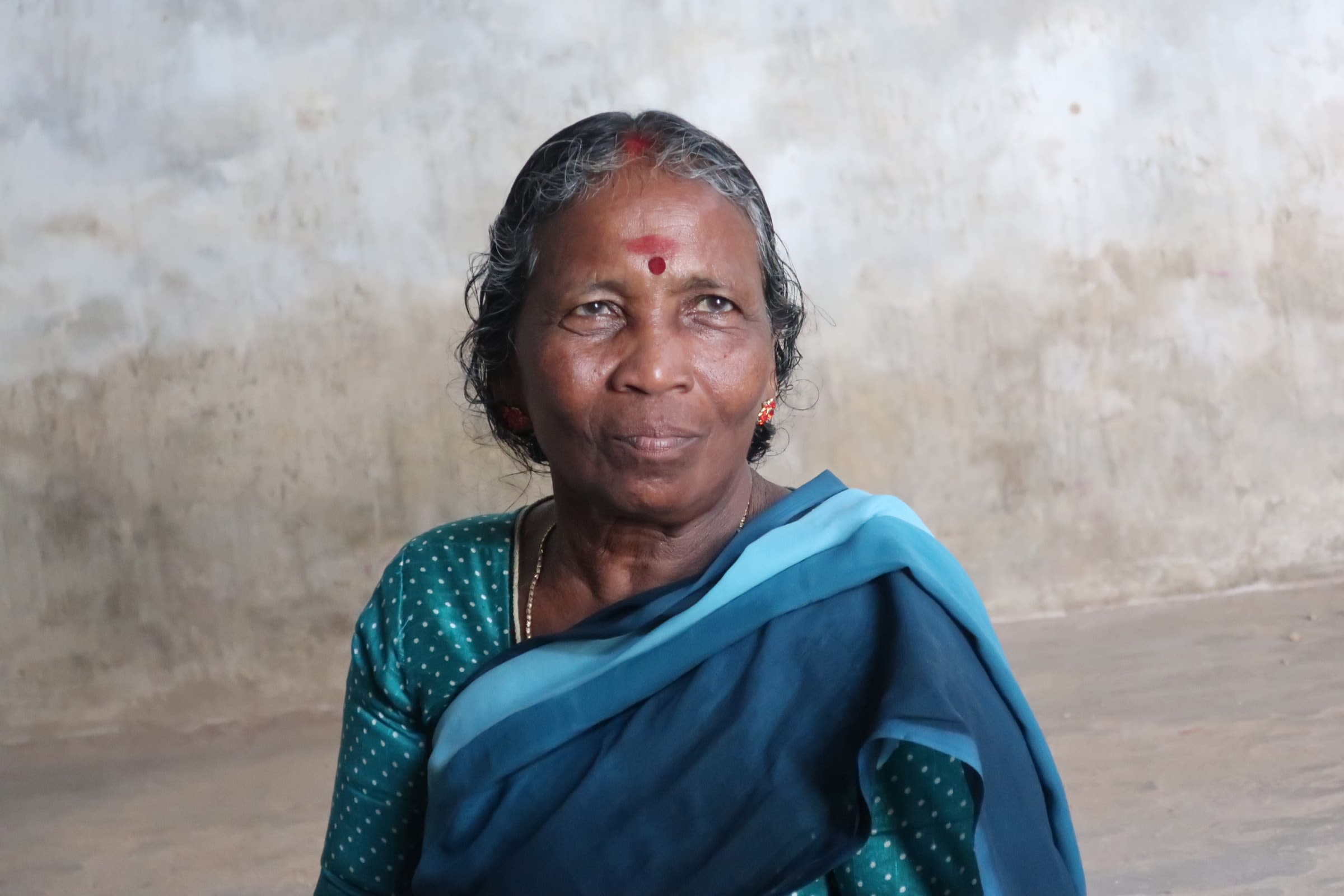
Photo by Camilla Frederiksen on Unsplash
Photo by Camilla Frederiksen on Unsplash
Since these households are highly marginalised, it was essential to design a low cost intervention that could enhance household incomes and provide financial support to these families.

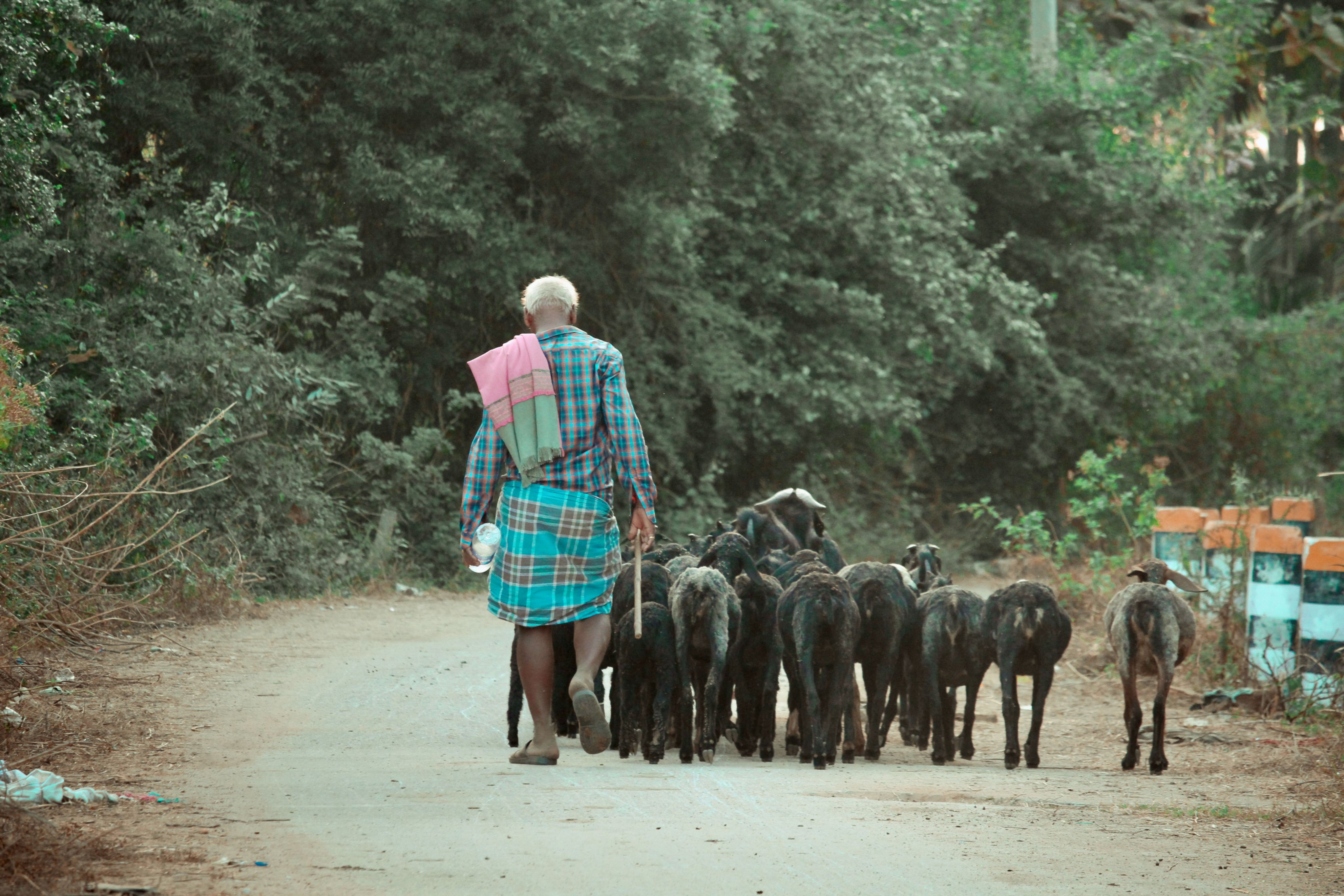
Photo by Manoj Kulkarni on Unsplash
Photo by Manoj Kulkarni on Unsplash
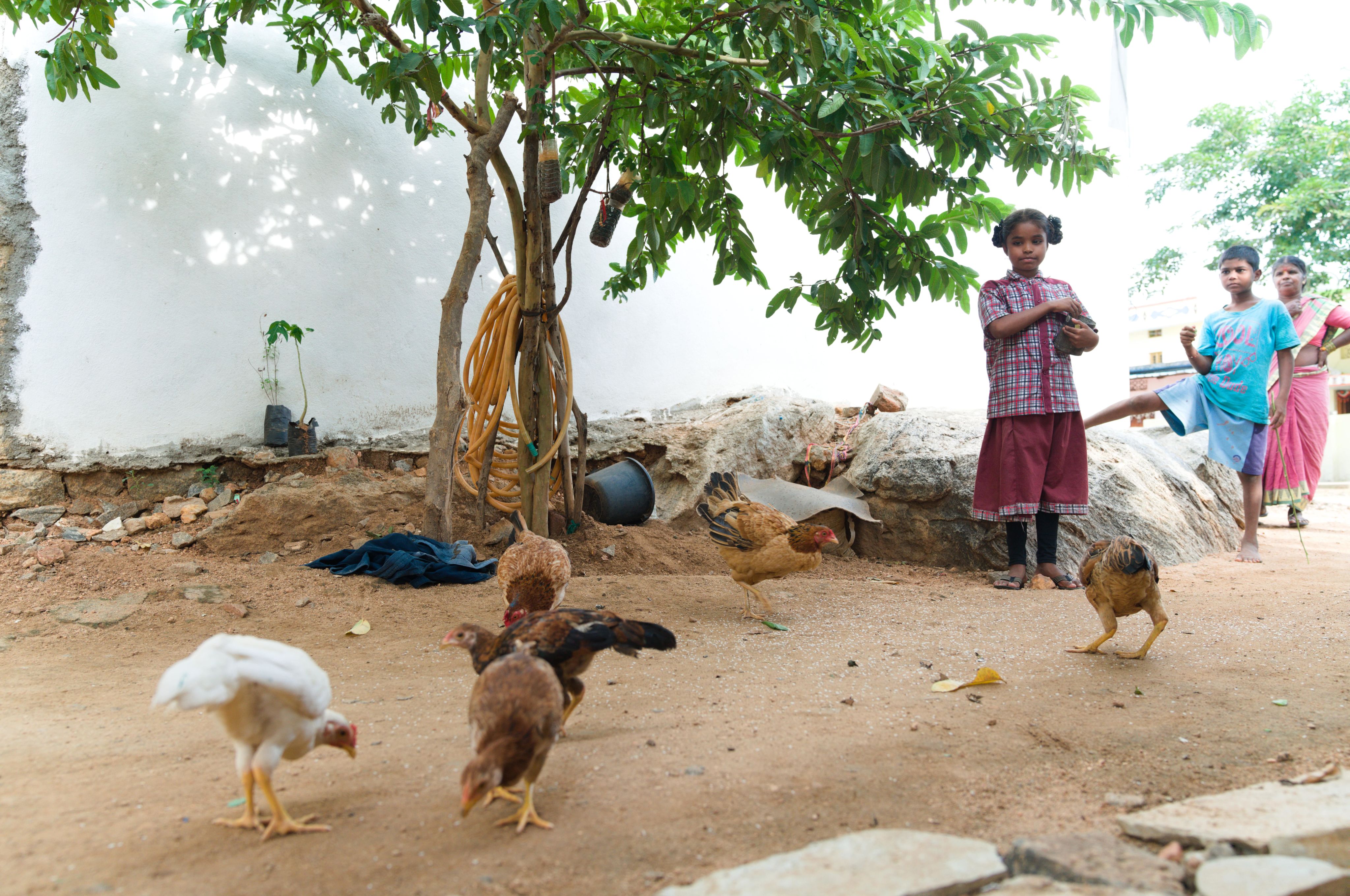
Keeping these factors in mind, the families were given support with backyard poultry farming. Backyard Poultry Farming is the practice of raising chickens, ducks, or other poultry on a small scale, usually in the backyard of a home, and has been a household activity in rural India since time immemorial.
It is a low-cost intervention requiring minimal infrastructure that aids families’ nutritional security while also serving as a source of income. It yields high returns and can be easily managed by women, children, disabled and the elderly.

To turn poultry farming into a profitable income generation activity, each household was provided a backyard poultry night shelter (BYP- night shelters). “Our ancestors have always been raising poultry, but over the course of the last few years, it had become difficult. (Poultry) would fall sick, or die, or be bitten by dogs or snakes. We wouldn’t know what to do,” says Gopal Nayak, 45, a resident of Utakuntathanda. He received a shelter in 2021, from WOTR, through Axis Bank Foundation’s Sustainable Livelihoods Programme.

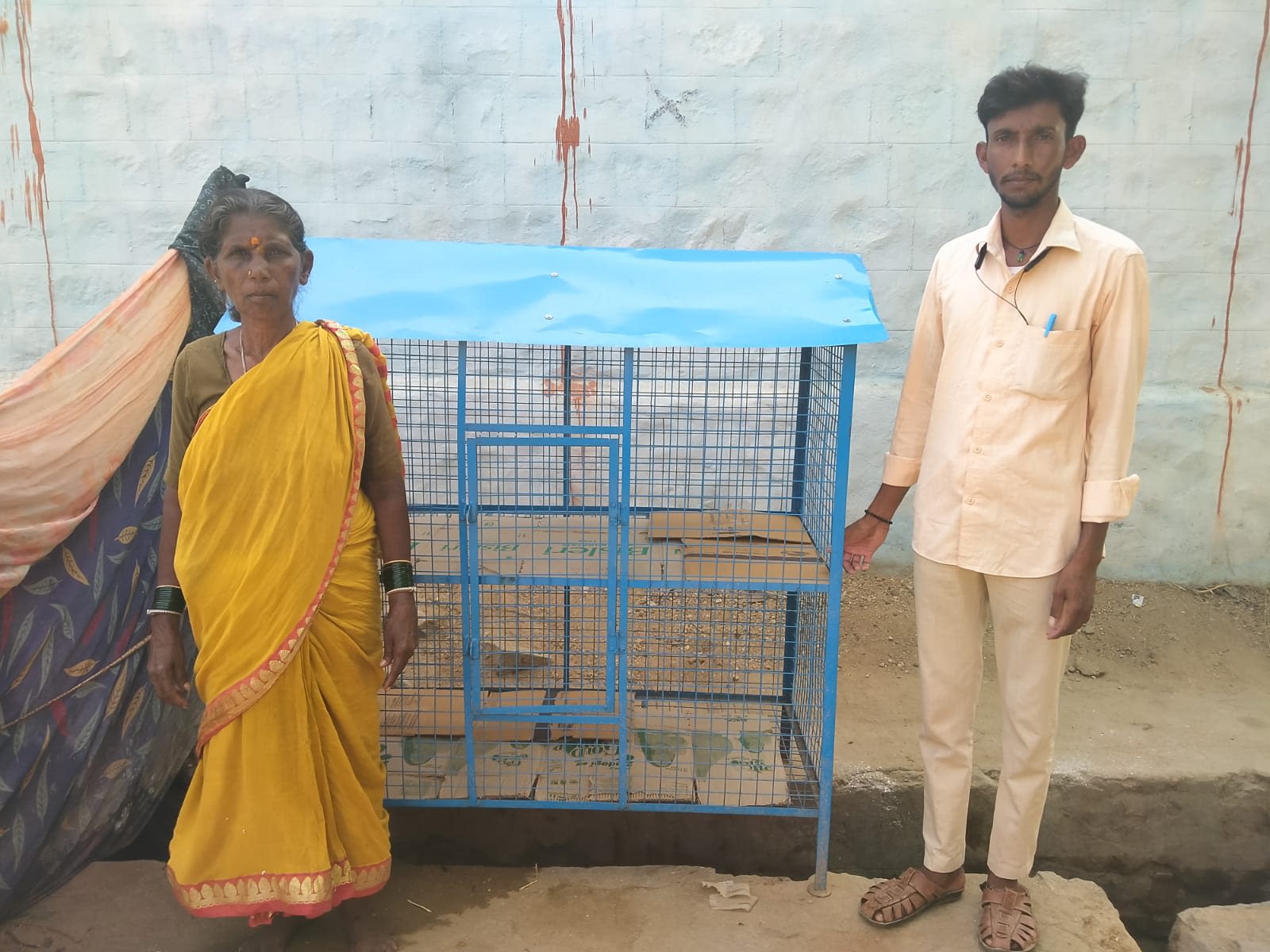
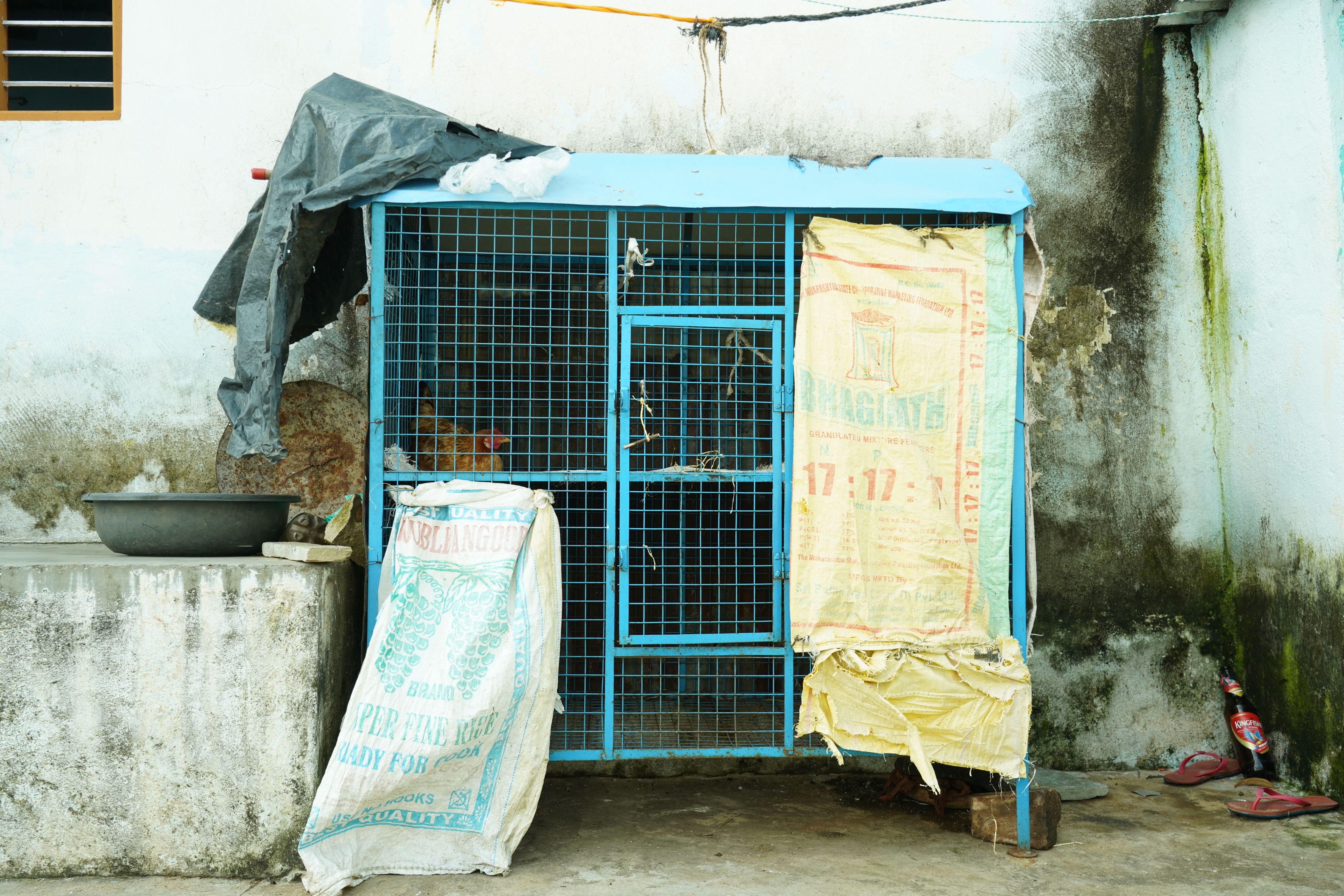
Backyard poultry shelter provided to Ashamma from Eklaspur village
Backyard poultry shelter provided to Ashamma from Eklaspur village
The shelter has three compartments that not only allows for separation of newly born chicks from other hens, but also separation of diseased hens from healthy ones. It protects the hens from predators and theft, and provides them a safe space.

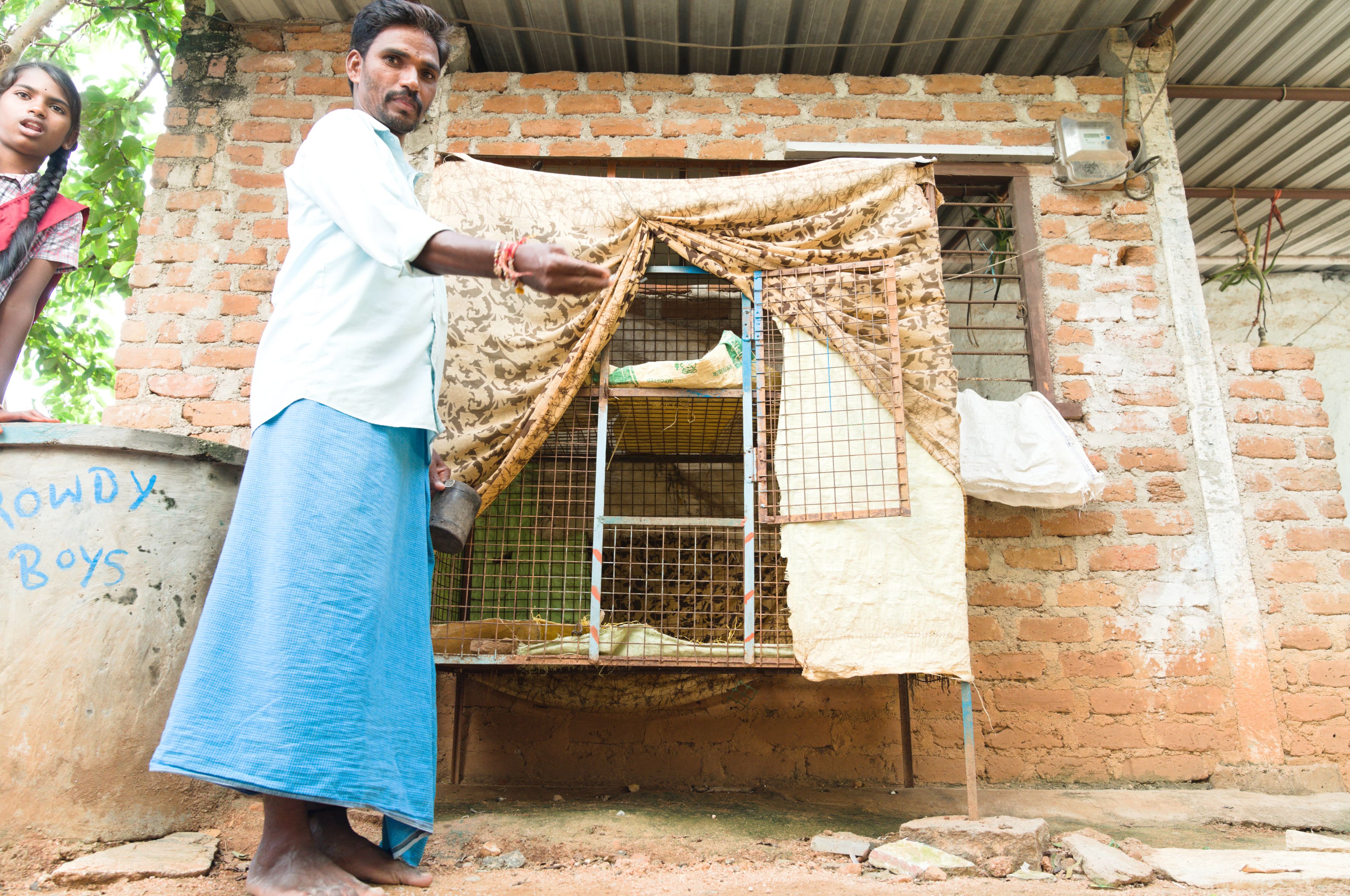
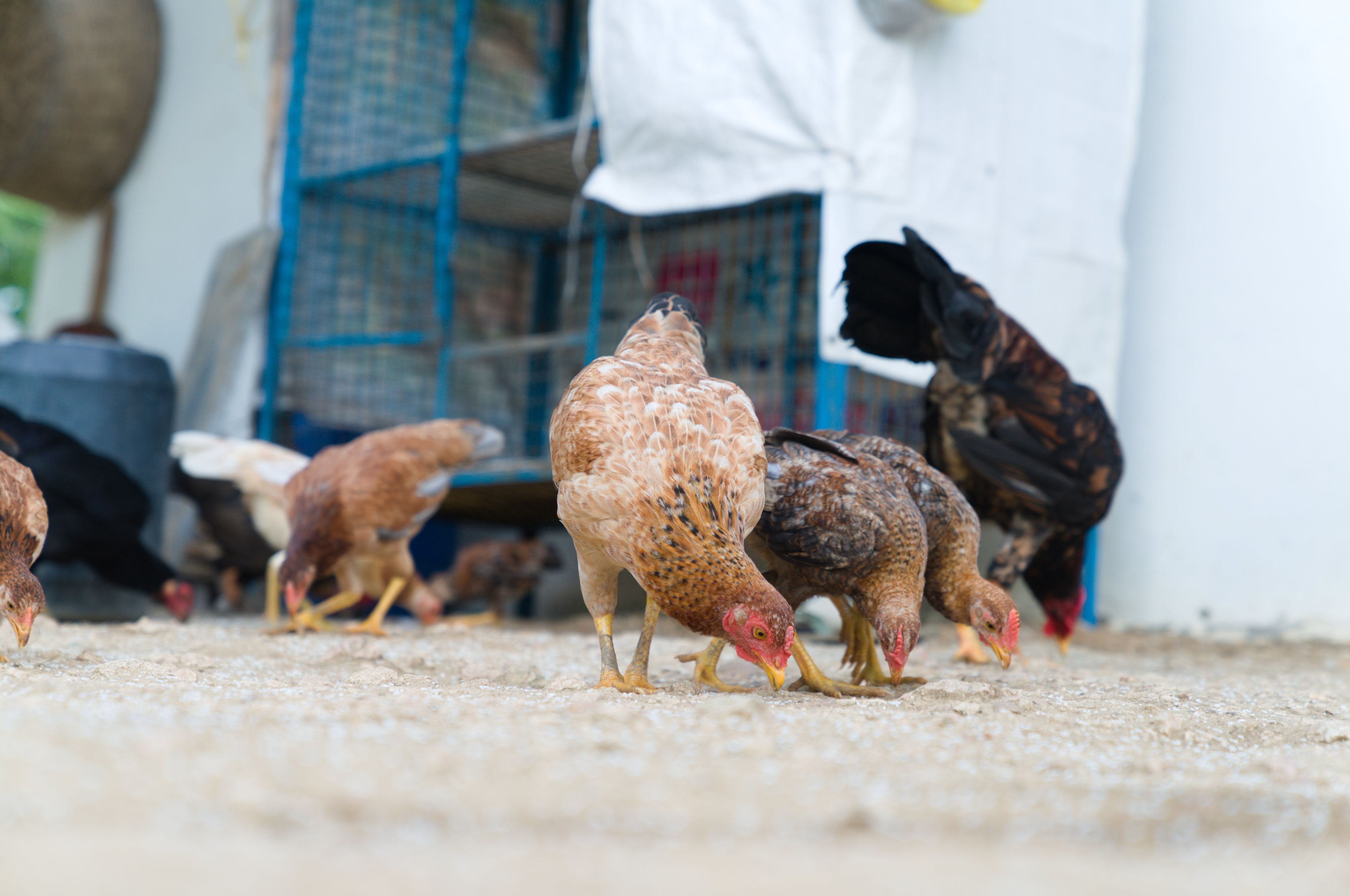
This allows families to raise more poultry, as well as reduce mortality rates amongst birds due to disease, theft or predation. Families were also provided training on how they can enhance their income with backyard poultry production.
Afflicted with polio since the age of 15, Gopal was entirely dependent on his family. “ I brought 5 chickens to begin with. Now, I have 35. I sell some every few months. 2-3 mahine ka guzaara ho jata hai (The income suffices for 2-3 months),” he says.

For Sunitha, who’s a single mother with 3 children, the shelter has been an immense help.
Because she has no land of her own, her income depends on undertaking daily wage work in other people’s land fetching her Rs 10,000 a month.
After getting the night shelter, Sunitha purchased three hens with an investment of Rs.1500 and started poultry rearing. She presently has a flock of 48.

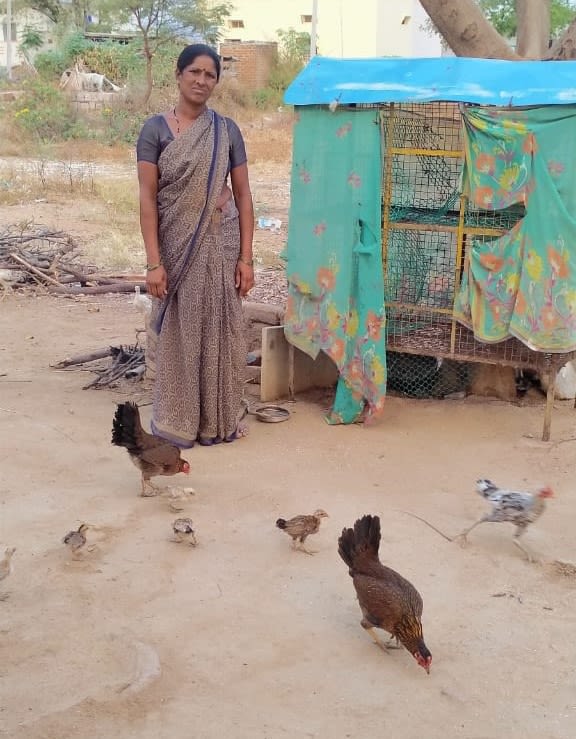
Every year, during Yellamma Jatara, a local festival celebrated in Narayanpet, she sells some birds from the flock. “In 2021, I sold 20 birds for Rs 500-600 each, earning an additional Rs 10,000, from one sale alone,” she says.
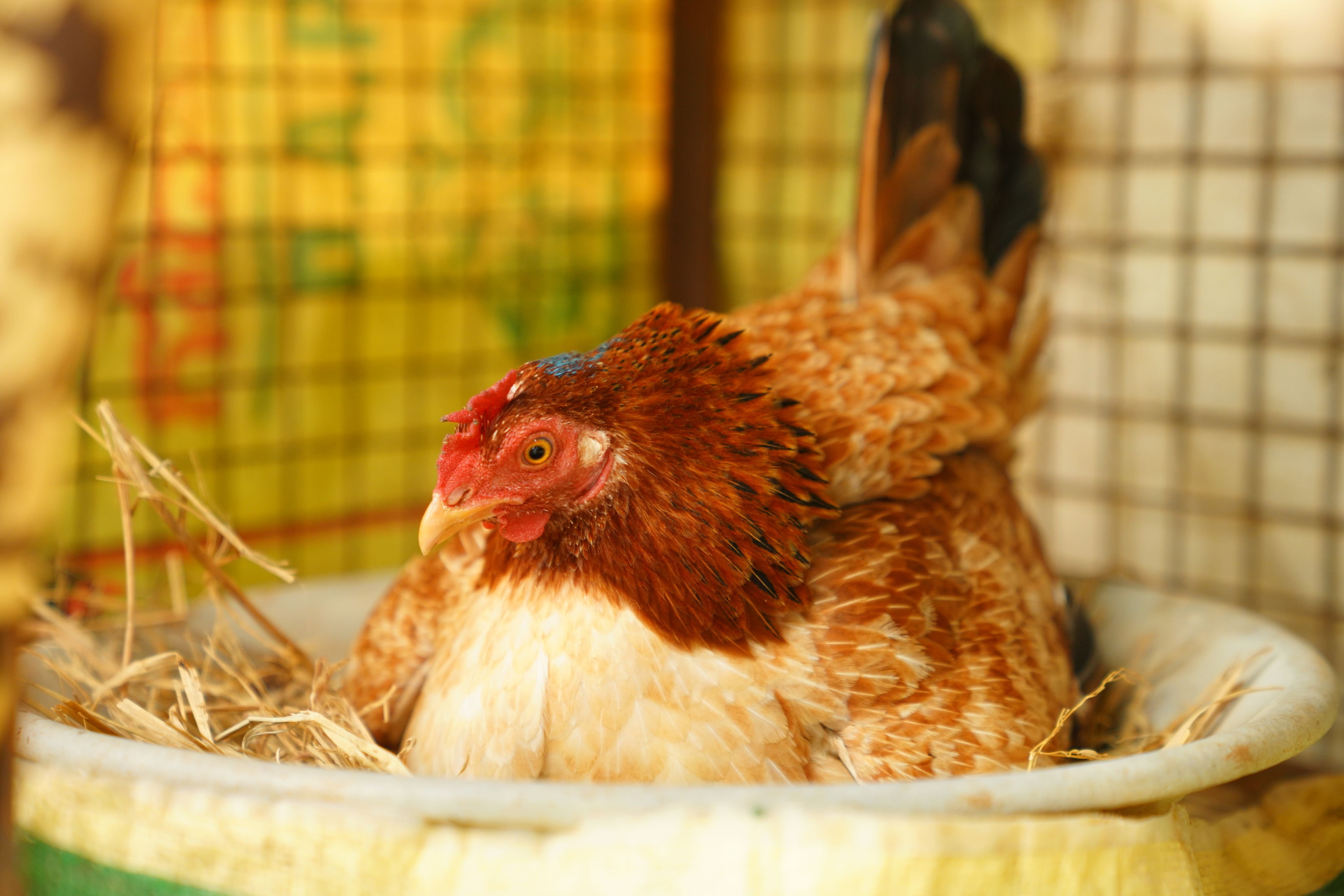
M Ashamma, who lives in Eklaspur village in Narayanpet, Telangana, has a similar story. She is a single mother, has a daughter, and owns no land. Earning Rs 6,000 every month, she says she tried raising poultry on her own earlier, but found limited success.

“I had been doing it for five years, but was only incurring losses. Either the birds would die suddenly, or be eaten by animals. It was very disappointing,” she says.
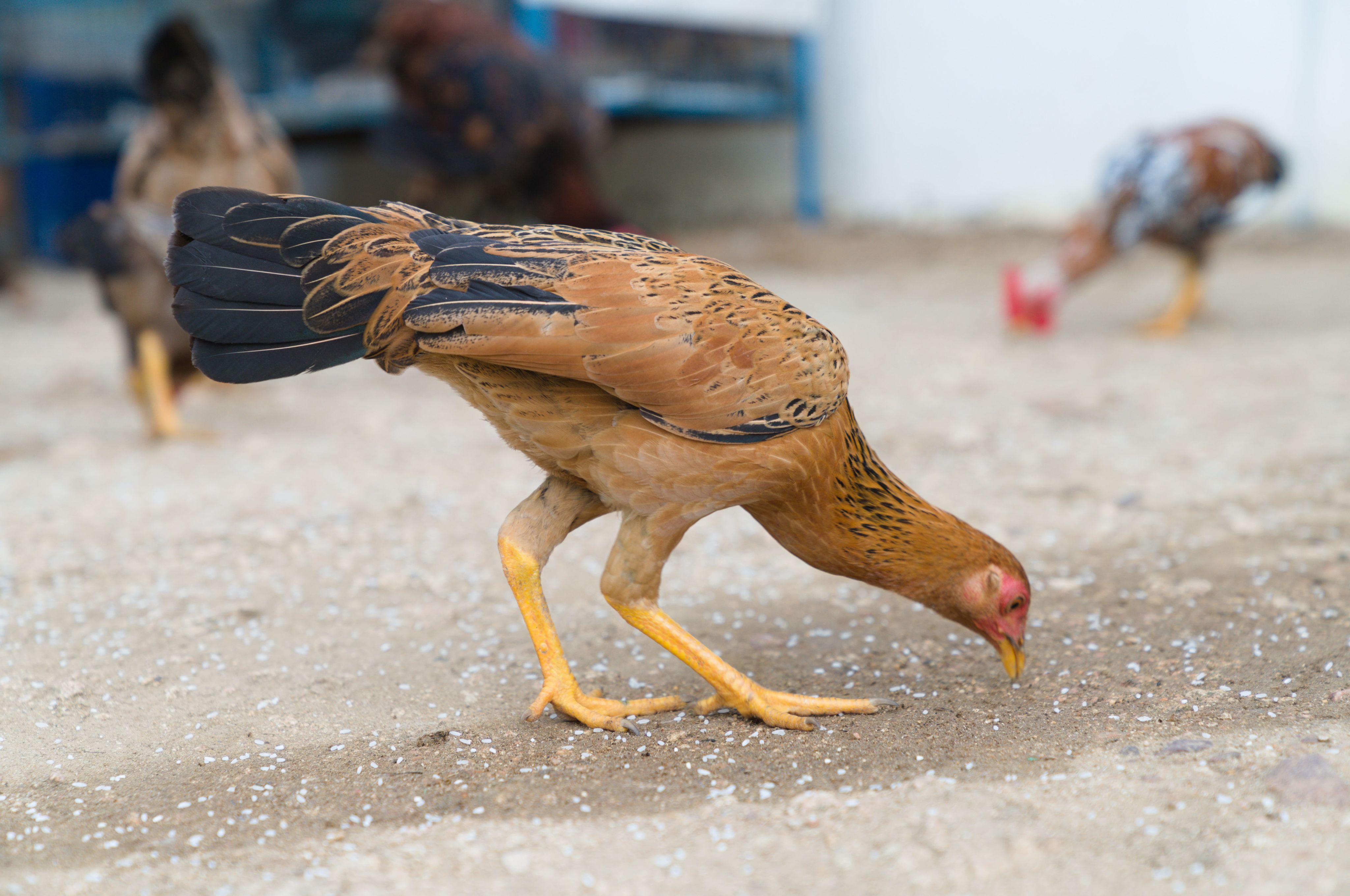
With the help of the night shelter she procured through WOTR, she has finally found success in backyard poultry production. “Now, I have 20-30 birds at any given time. Every two weeks, I sell off a couple of chickens, as well as eggs from the birds,” she says.

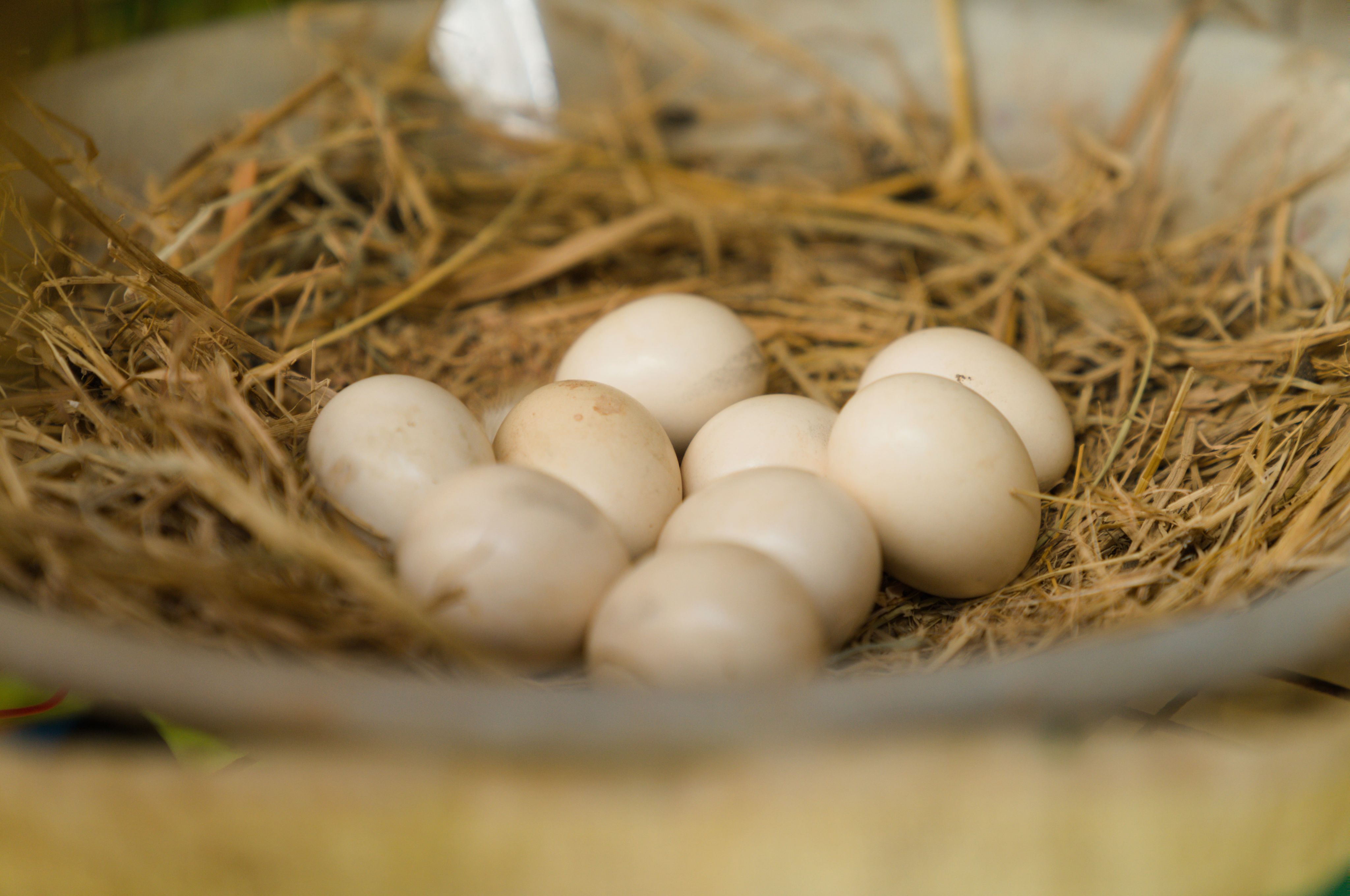
With each bird going for Rs 600-700 each, she is able to make a decent profit. “In the last 2 months, I have made Rs 10,000, and I plan on raising more birds in the future,” she says.
|
Beneficiary Details |
Total annual HH Income (pre- project Intervention) |
Total annual HH Income (Post project Intervention) |
Increase in HH income (Post project Intervention) |
|
M Ashamma, Eklaspur Village, Naraynpet Mandal, Telangana |
Rs.72,000.00 |
Rs.1,29,600.00 |
Rs.57,600.00 |
To invest with WOTR for its initiatives to mobilise communities and develop sustainable agriculture practices, write to Madhavi Kadrekar at info@wotr.org.


 Built with Shorthand