
How A Simple Farm Pond Helped Paulina Mundu Realise Her Childhood Dream Of Farming
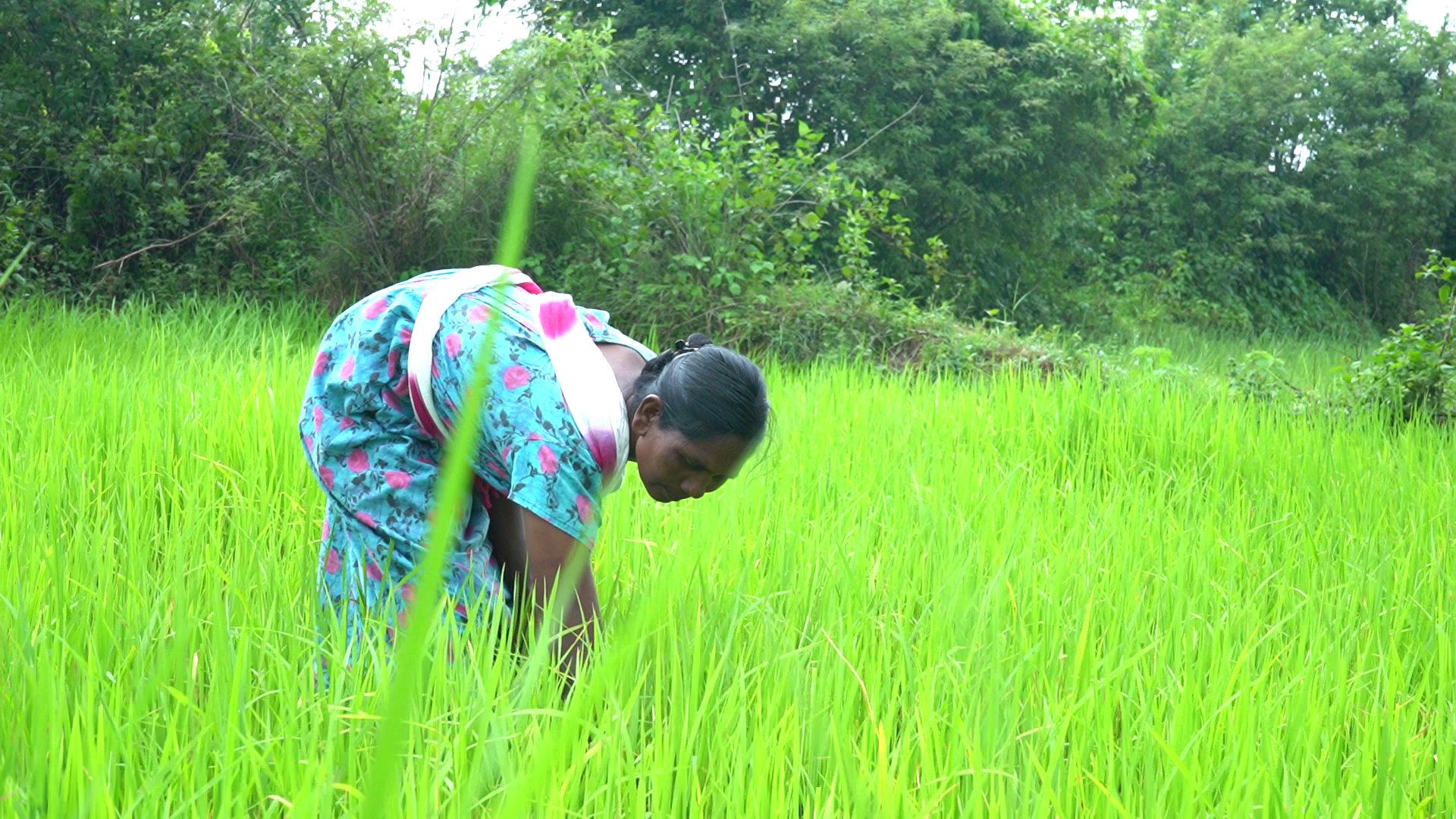

40 year old Paulina Mundu, a farmer in Surunda village in Khunti, Jharkhand, wanted to be a farmer ever since she was a little girl. “I remember my father used to take me to the field. I would help him sow rice, tomatoes, and jowar. After all the work we put in, that feeling of holding beautiful red tomatoes in one’s hand was priceless. I loved that feeling,” she says.

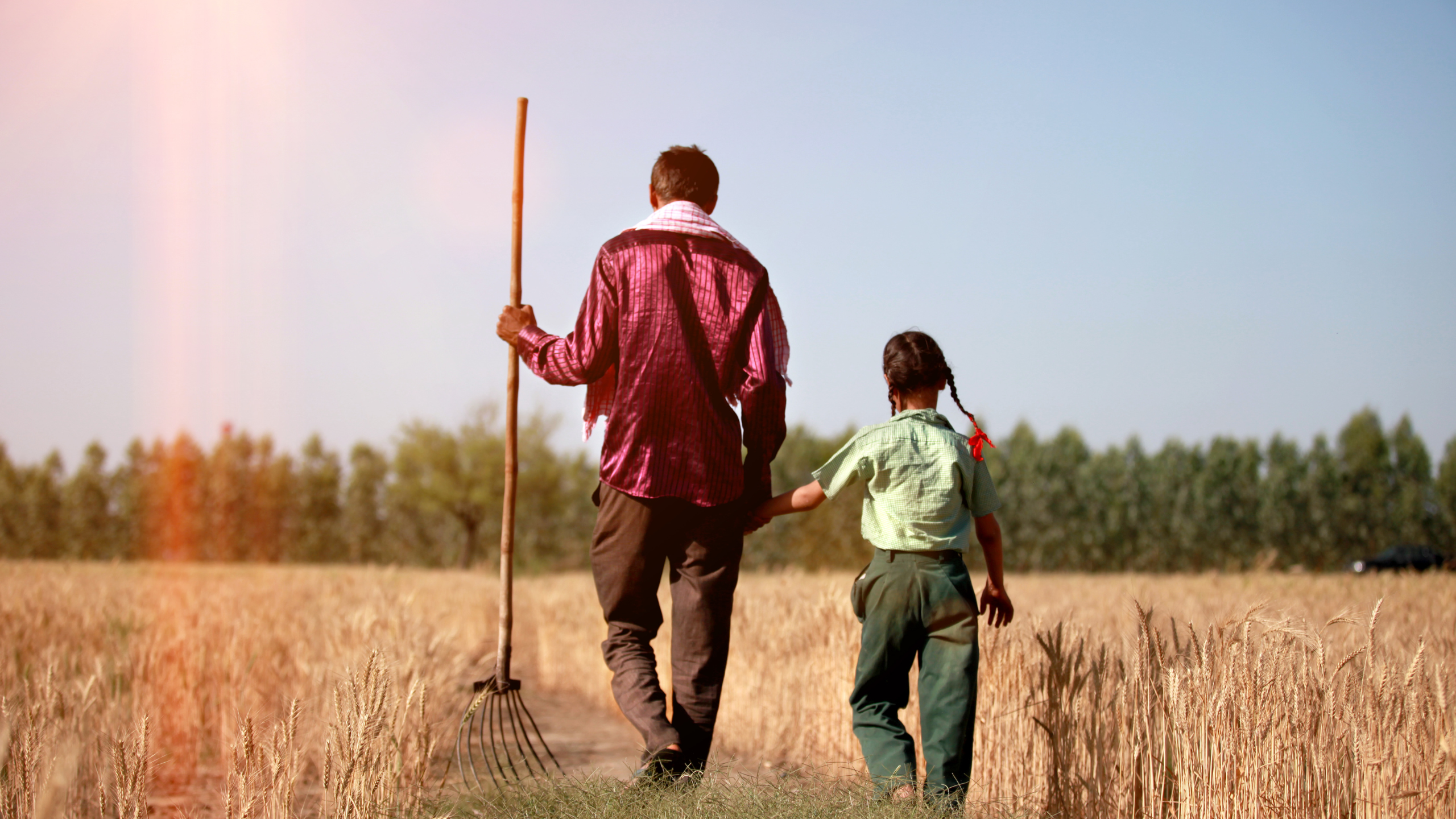
Image by pixelfusion3d from Getty Images Signature
Image by pixelfusion3d from Getty Images Signature
Fate had other plans for Mundu, though. After getting married, she moved to Hazaribagh, with her husband. “We had land in Murhu, but it was assumed that nothing could come of it - at least not enough for a family to get by - so we moved to the city and started working as manual labourers,” she says.
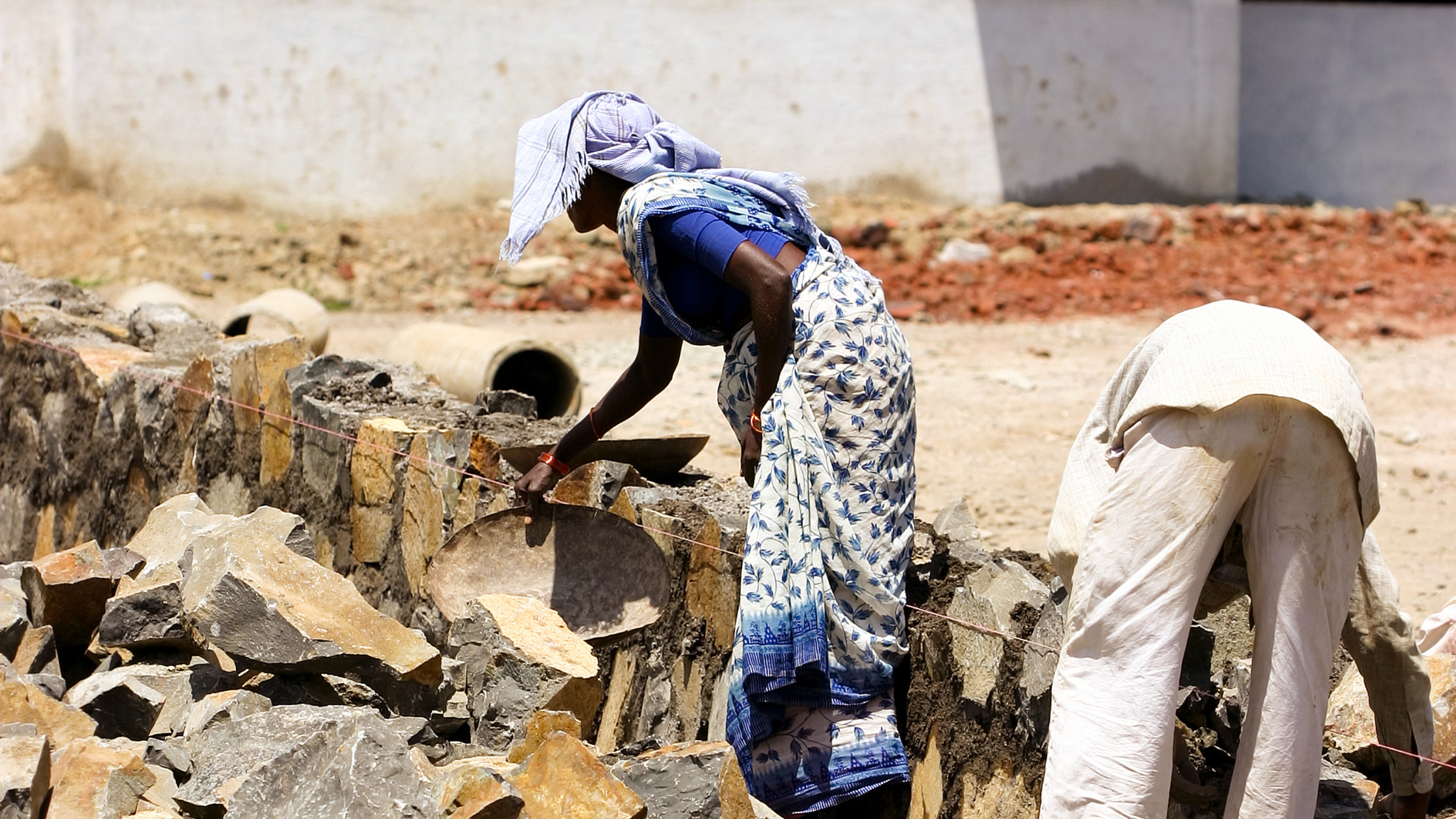
Image by DrRave from Getty Images Signature
Image by DrRave from Getty Images Signature
They lived in the city for seven years, but Mundu says she was miserable there. “In the village, I was someone. In the city, we were nobody. Everything was more expensive, more claustrophobic. I forced my husband to come back home,” she says.
They came back home seven years ago, and started farming on seven acres of her husband’s family’s land, cultivating paddy and potato in the fertile lowland area, and millets, maize and black gram in the less fertile hilly upland area. To augment her income, she started rearing cows, goats and poultry.

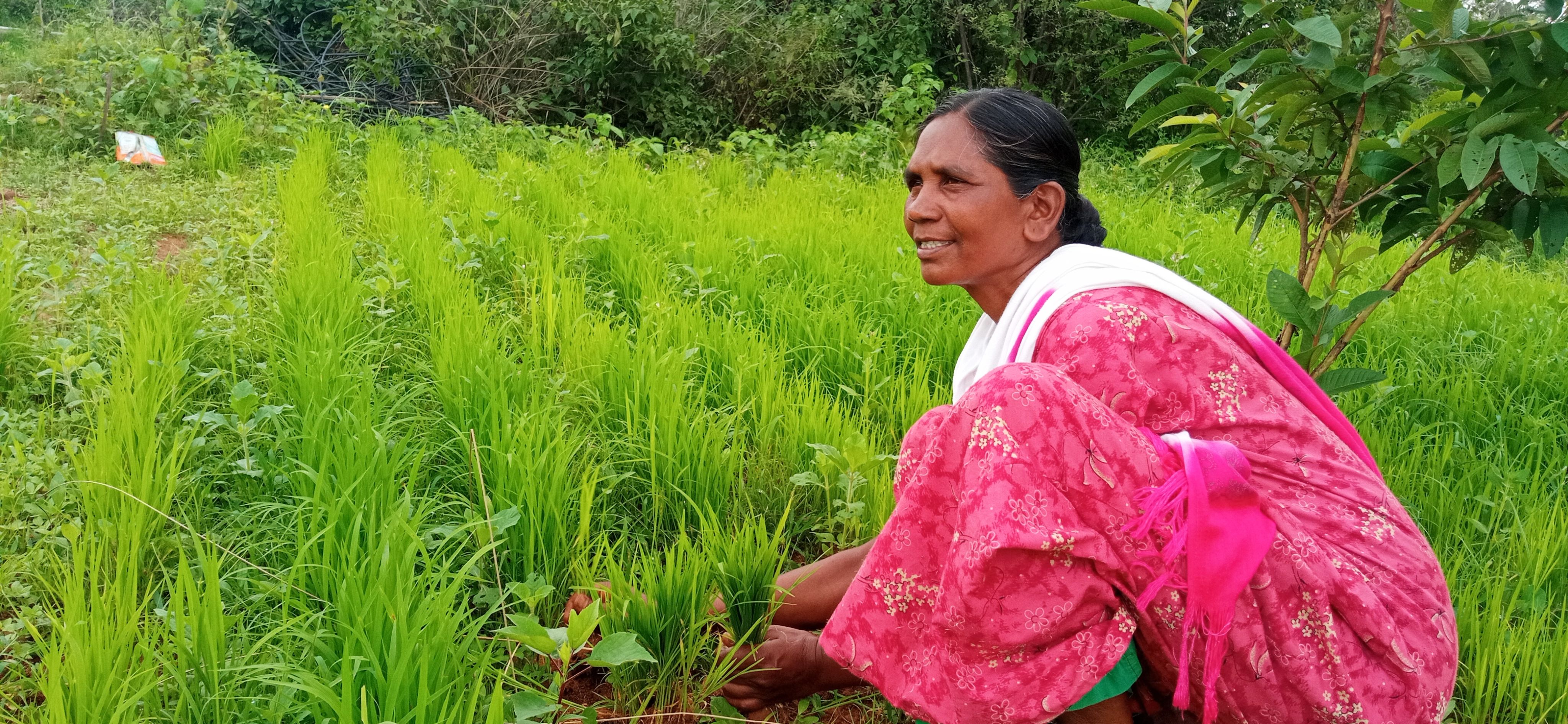
There were two problems, though. First, there was hardly any water available in the village. The hand pumps, too, were unreliable. She had to walk hours everyday to fetch water. “I spent at least three hours carrying water on my head from the nearest talaab (lake),” she says.


Photo by BHAVYA LAKHLANI on Unsplash
Photo by BHAVYA LAKHLANI on UnsplashPhoto by BHAVYA LAKHLANI on Unsplash
Second, the produce from the field was not enough to feed her family and she was forced to procure rice from the Public Distribution System.
In 2017, Paulina decided to construct a 30 x 30 x 10 farm pond under Mahatma Gandhi National Rural Employment Guarantee Act (MGNREGA) to ensure water availability for irrigation.


But the pond was not sufficient to irrigate even half an acre of land. In 2019, with financial and technical support from Axis Bank Foundation and WOTR, Paulina was able to expand, deepen and repair her farm pond.
Within a few weeks of the construction of the pond, things started looking up. She no longer had to walk miles to fetch water. “Nahane mein bhi sahooliyat ho gai (It became much easier taking a bath),” she says. The family could also store water during an occasional rain, and use the same to water crops during the dry spells.

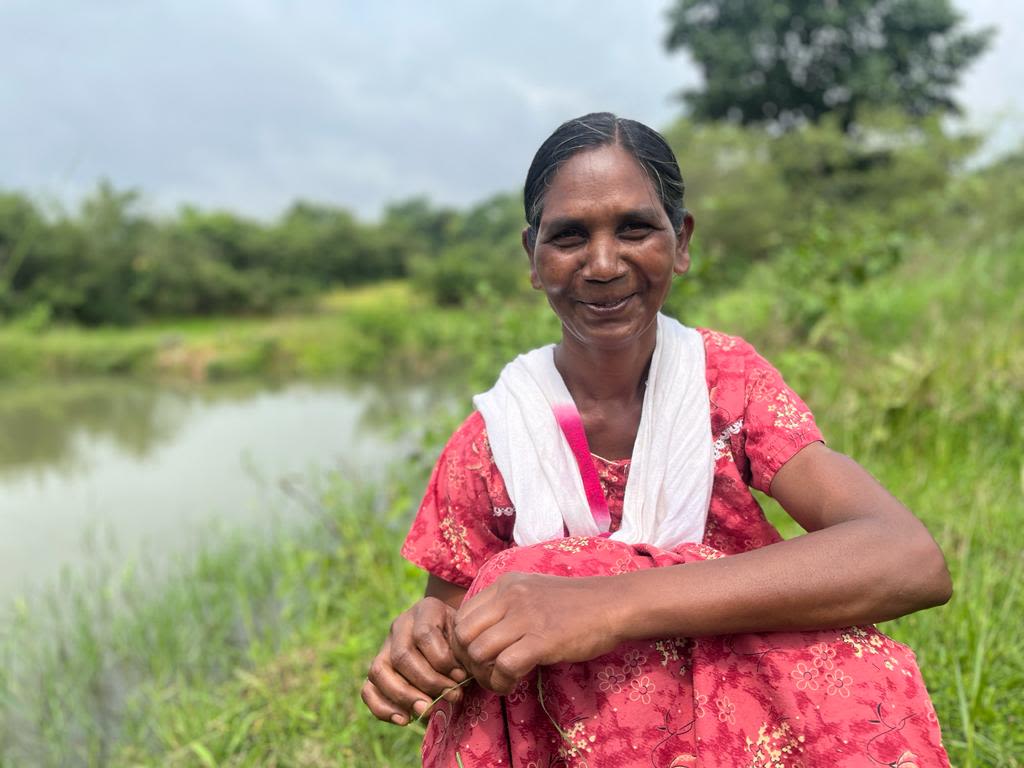
“Pehle paani nahi tha, toh idea hi nai tha kheti kaise kare. Ab paani hai, toh umeed bhi hai (When there was no water, we didn’t know how to farm. Now that there is water, there is hope),” she says.

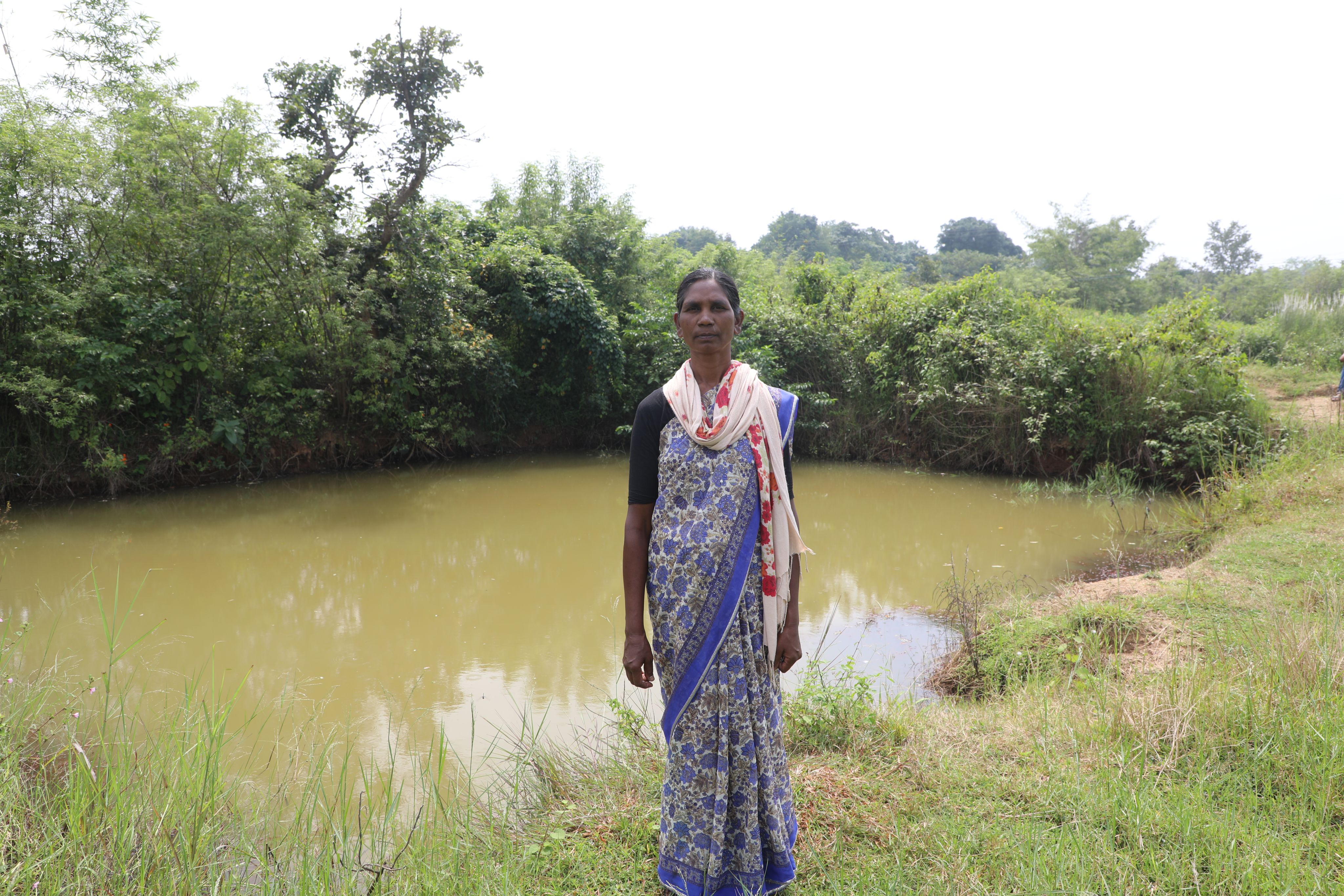
With irrigation becoming easier, she was able to bring the entire farm under cultivation, and engage in multiple cropping. “Earlier, we only grew potatoes, but with availability of water, we now grow vegetables like tomatoes, chillies, peas, depending on the season. Last year, I cultivated watermelons,” she says. The vegetables are mostly sold off, but Mundu says she always keeps a portion of what she grows for the family.
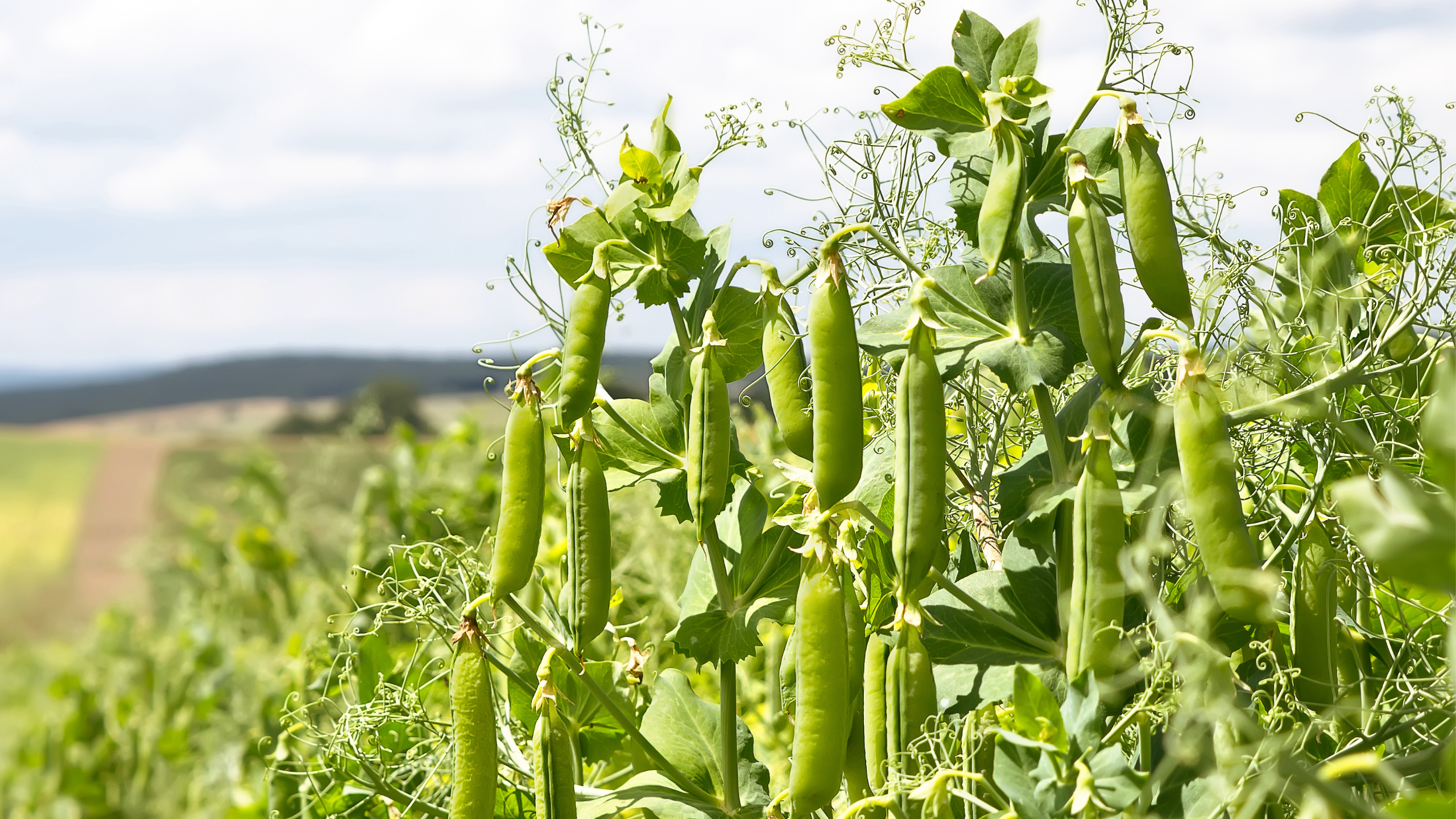
Image by jkootek from Getty Images Pro
Image by jkootek from Getty Images Pro
She has also started fish farming in the pond. “Earlier, the fish used to die because I didn’t know better, and that caused severe losses, but I attended a few training sessions organised by WOTR, where we were taught how to take care of the fish, and this has translated to a bigger catch and more income,” she says. “Last year, we sold nearly 10 kgs of fish.
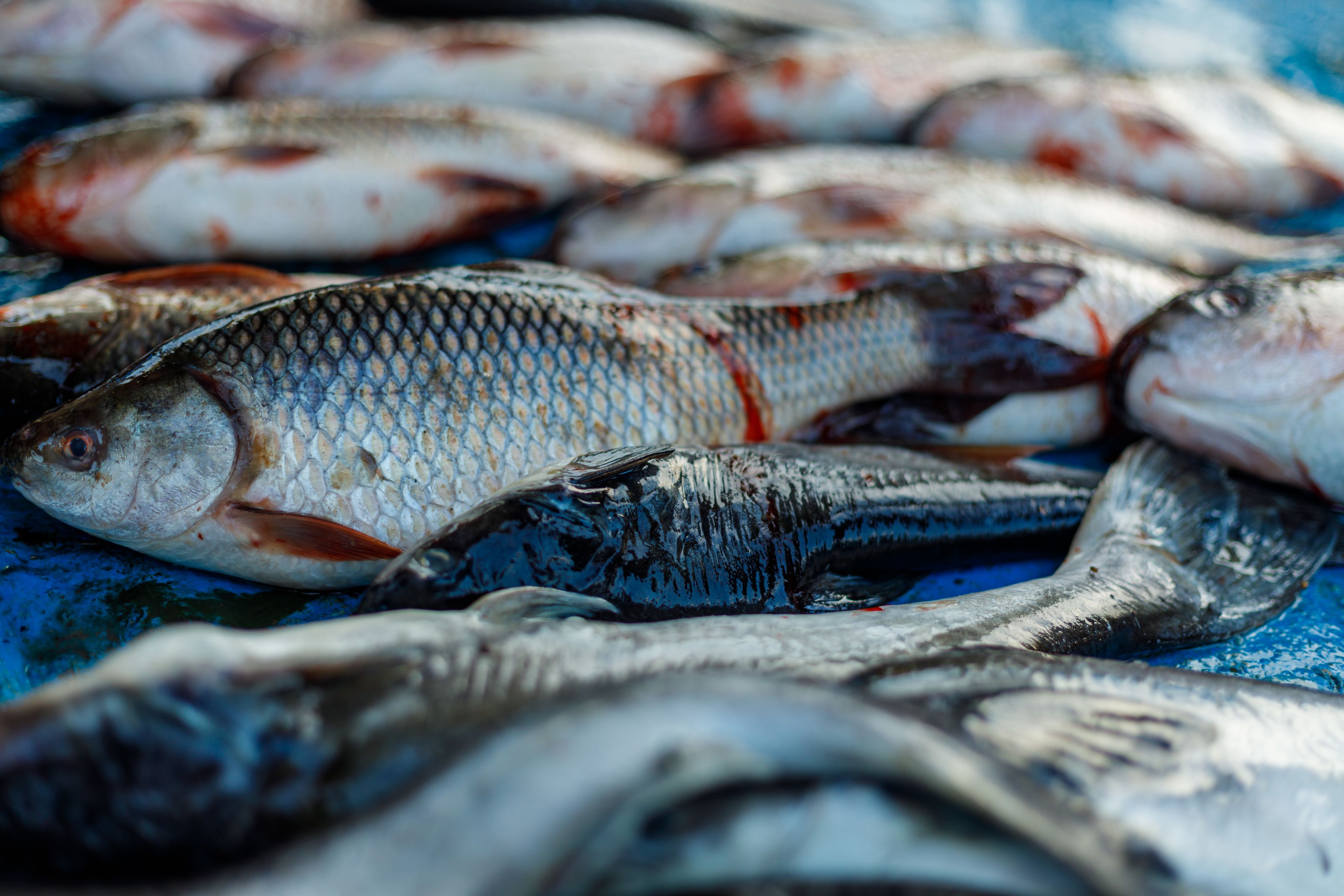
When my son got into an accident, we paid for his medical and hospitalisation expenses by selling fish only,” she adds.
She is now in the process of constructing another farm pond, and wants to get started on growing mangoes. “We have planted 112 trees in 2 acres of land, and will start receiving income from that as well in the next 3-4 years. We had some fruit this year as well,” she says.

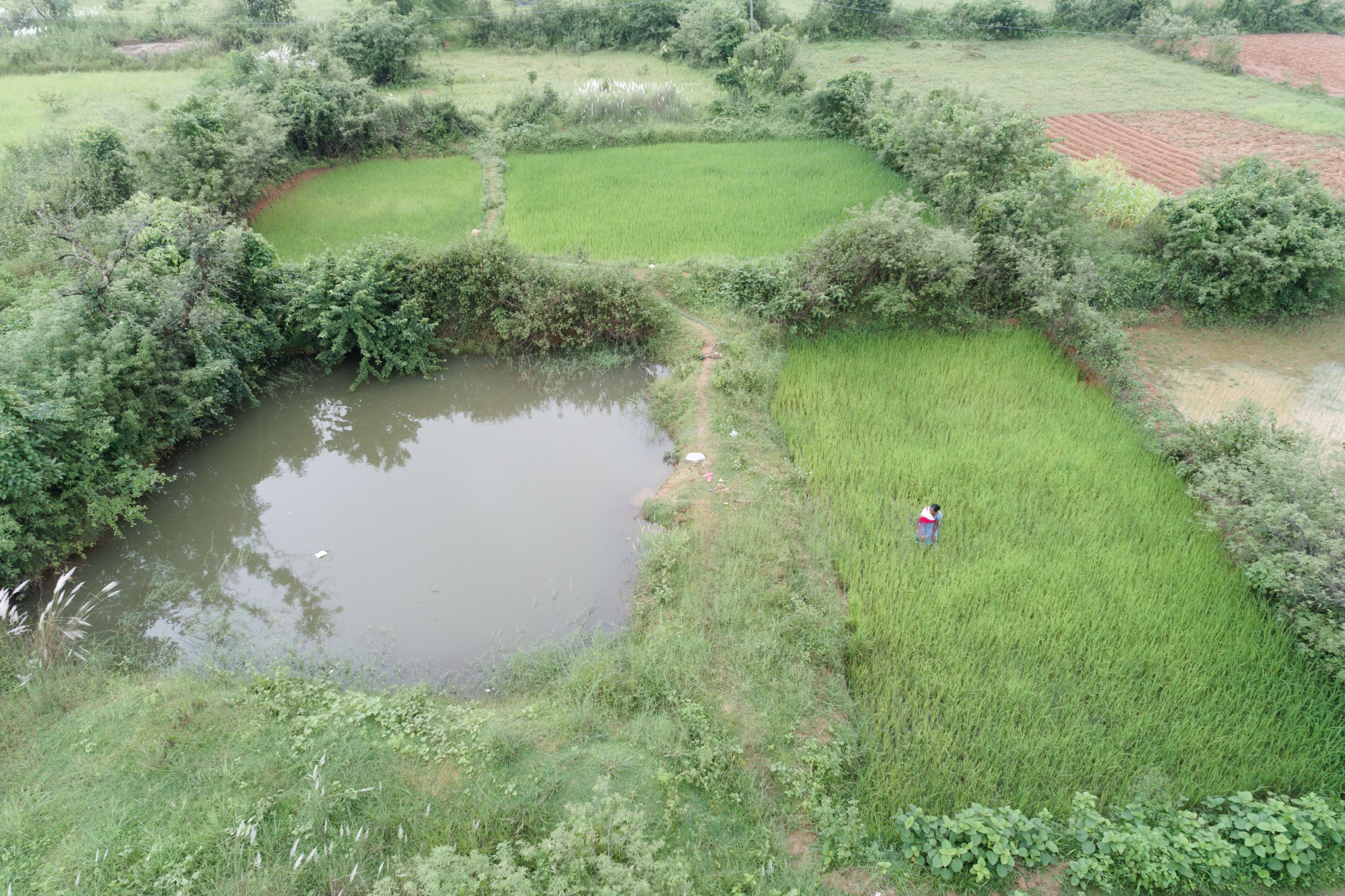
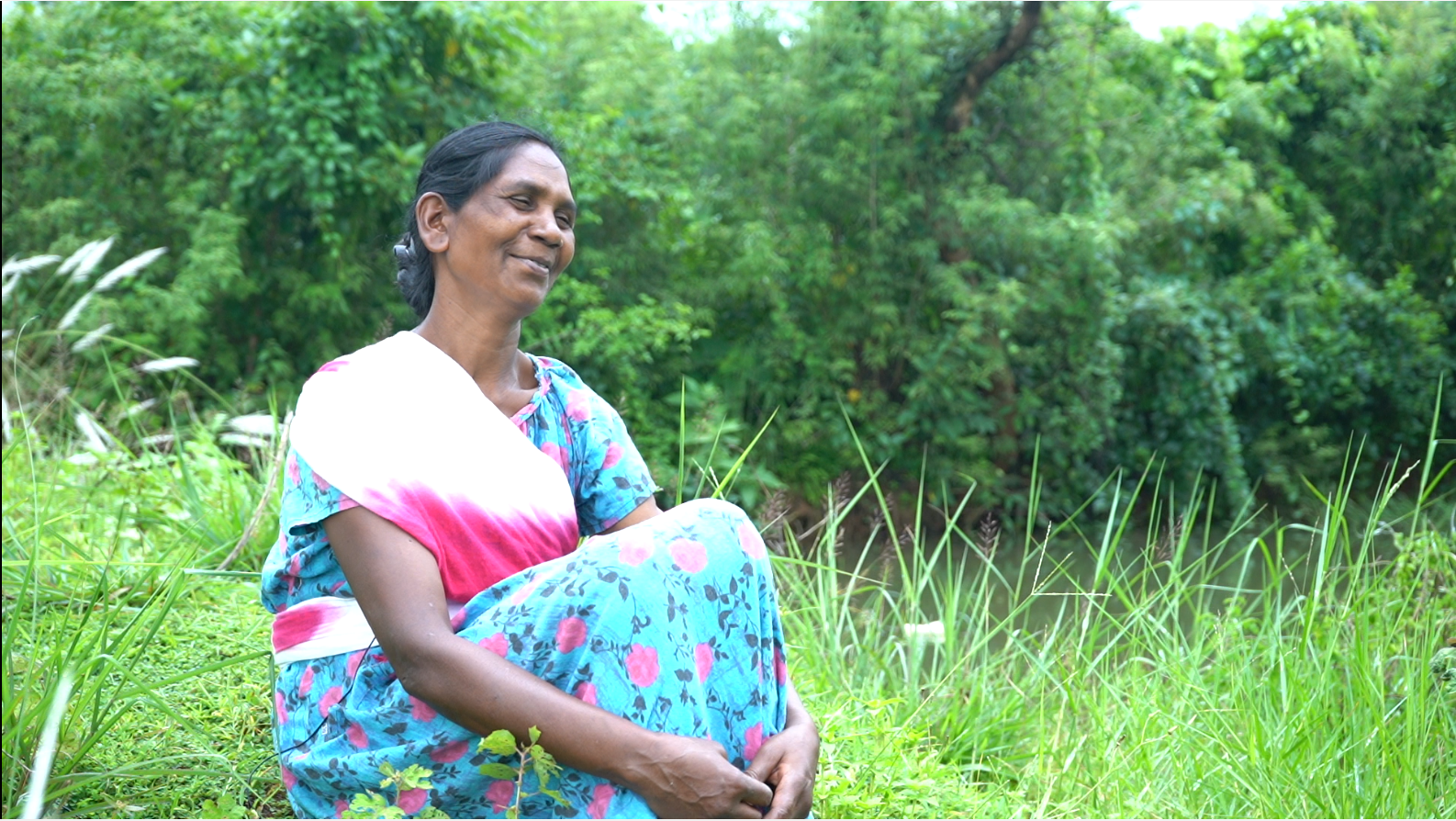
Mundu’s dream of being a prosperous, self-sufficient farmer finally stands realised.
To invest with WOTR for its initiatives to mobilise communities and develop sustainable agriculture practices, write to Madhavi Kadrekar at info@wotr.org.


 Built with Shorthand